Building an emergency fund is one of the smartest financial habits for anyone living in India today. With rising medical costs, job uncertainty, rent expenses, and unexpected life events, having a financial cushion ensures peace of mind and stability. An emergency fund is not an investment—it’s a safety net that protects your lifestyle without depending on loans or credit cards.
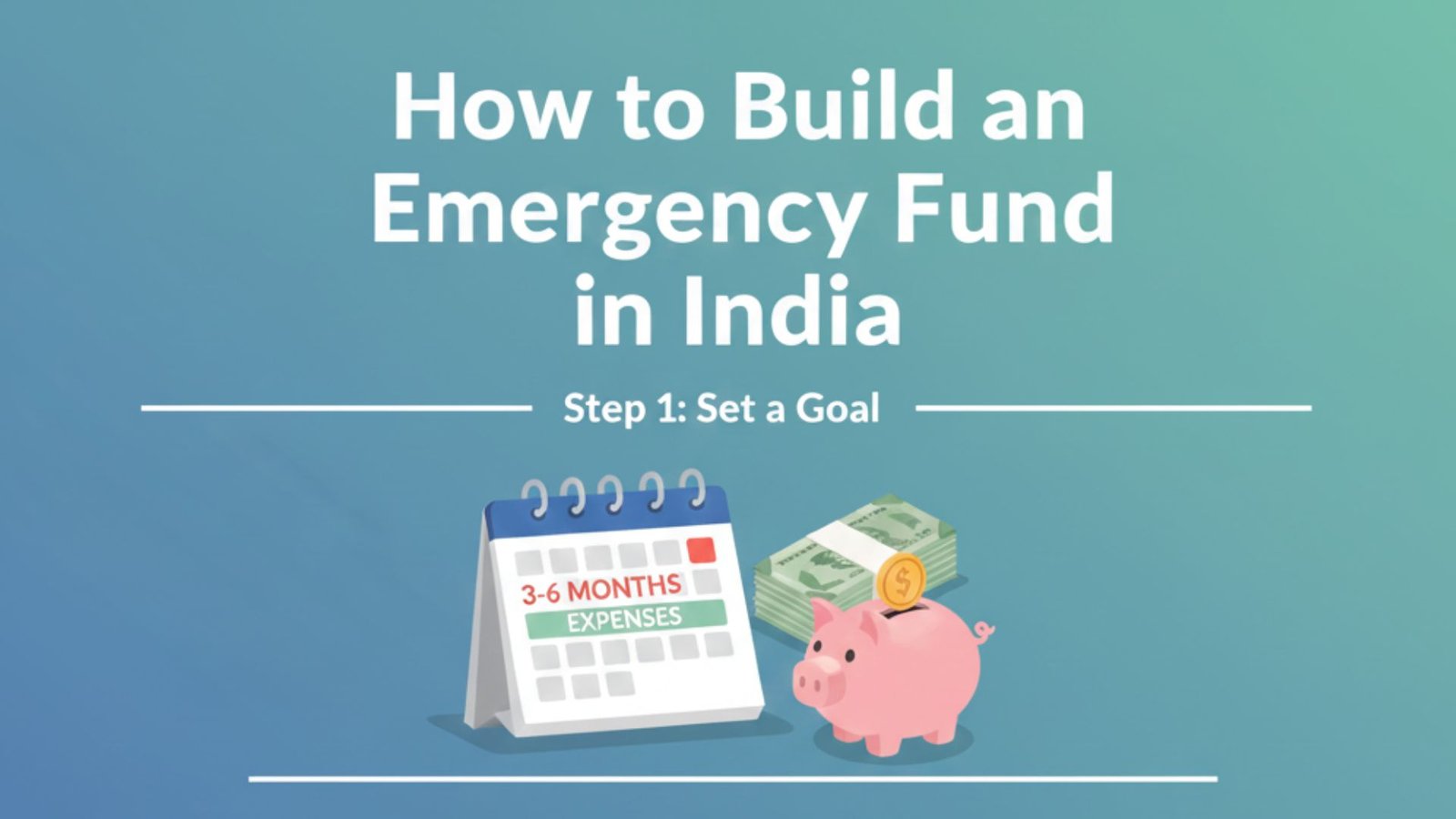
For most Indian households, experts recommend saving enough to cover at least 3–6 months of mandatory expenses. This fund should be easily accessible, secure, and separate from daily spending accounts. The purpose is simple: when life surprises you, money shouldn’t be a problem.
| Monthly Expense | 3-Month Fund | 6-Month Fund | Suggested Monthly Saving |
|---|---|---|---|
| ₹20,,000 | ₹60,000 | ₹1,20,000 | ₹5,000–₹10,000 |
| ₹30,,000 | ₹90,000 | ₹1,80,000 | ₹7,000–₹15,000 |
| ₹50,,000 | ₹1,50,000 | ₹3,00,000 | ₹10,000–₹25,000 |
Step 1: Calculate Your Monthly Essential Expenses
Start by calculating basic survival expenses—not luxury or lifestyle spending. Include: rent/EMI, groceries, school fees, medical costs, transportation, insurance premiums, and utility bills. For example, if your essential monthly expense is ₹30,000, then: Minimum emergency fund = ₹30,000 × 3 = ₹90,000, Ideal emergency fund = ₹30,000 × 6 = ₹1,80,,000.
Step 2: Set a Monthly Saving Target
Instead of trying to build the fund at once, break it into manageable goals. A simple formula is: Monthly saving = Target ÷ Months. If your target is ₹1,80,000 and you want to complete it in 12 months, Monthly saving required = ₹1,80,000 ÷ 12 = ₹15,000 per month. If that feels high, extend the time to 18 or 24 months—consistency matters more than speed.
Step 3: Choose the Right Place to Store the Fund
Your emergency fund should be liquid—accessible without penalty. Best options in India include: High-interest savings account (best for quick access), Liquid mutual funds (higher returns than savings accounts), FD with sweep-in facility (safety + accessibility). Avoid risky investments like stocks or crypto—emergency money is not for growth betting.
Step 4: Automate Your Savings
Automation removes emotional decision-making. Apps and banks like Fi, Jupiter, and ICICI auto-debit can transfer a fixed amount every month. Treat it like a non-negotiable bill—not optional savings.
Real Example: Middle-Class Working Professional
Monthly essential expense: ₹35,,000 Ideal emergency fund (6 months): ₹35,,000 × 6 = ₹2,10,,000 If saving ₹10,,000 per month → Goal achieved in 21 months.
Conclusion
An emergency fund is not a luxury—it is a financial necessity. Begin small, automate savings, and choose a safe storage method. With a clear plan and consistency, anyone in India can build financial security and confidently face unexpected life events.