Introduction
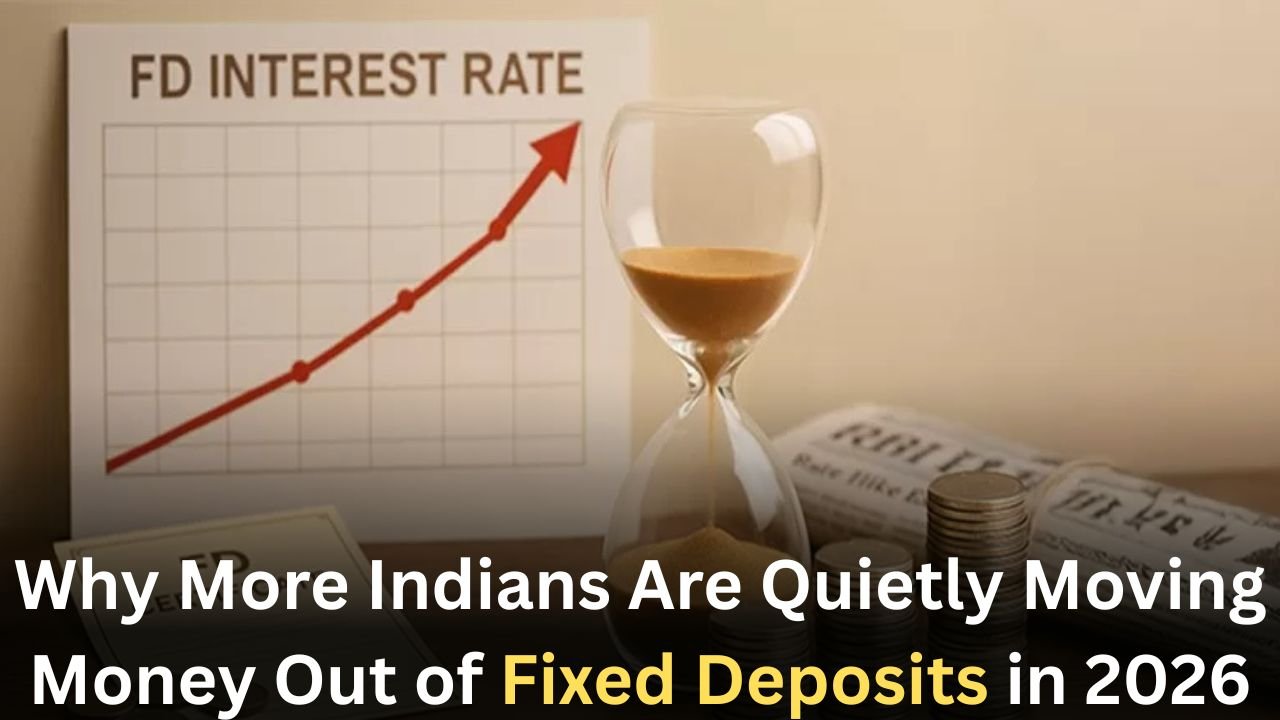
For decades, fixed deposits (FDs) have been the default choice for Indian savers. Parents recommended them, bank managers pushed them, and most of us never questioned the logic. Guaranteed returns, low risk, and peace of mind—what could go wrong? But somewhere between rising living costs, changing interest cycles, and smarter access to financial information, that unquestioned trust has started to crack.
In 2026, I’ve noticed a subtle but clear shift. People aren’t loudly declaring that FDs are “bad.” Instead, they’re quietly moving part of their money elsewhere. This article will help you understand why that’s happening, what’s driving this change, and whether sticking entirely with fixed deposits still makes sense for you—or not.
Real-World Observation: What I’m Seeing Around Me
In my experience, this shift isn’t coming from flashy influencers or viral finance reels. It’s happening in normal conversations—with salaried professionals, small business owners, even retirees. Over the last two years, I’ve personally reviewed bank FD rates for family members and clients, and what stood out wasn’t just the numbers—it was the disappointment.
What I noticed during regular use of FDs is that the comfort they once offered has quietly reduced. Renewal time now feels less rewarding. After tax and inflation, the “safe return” often doesn’t feel like real growth anymore. People aren’t angry about it; they’re just becoming more curious about alternatives that don’t lock their money away for marginal gains.
That curiosity is what’s driving this movement—not panic, not greed, but realism.
The Core Issue: FDs No Longer Feel Rewarding
Fixed deposits haven’t suddenly become useless. The problem is that the world around them has changed faster than FD returns have.
Inflation has been stubborn. Everyday expenses—rent, healthcare, education, even groceries—are rising at a pace that traditional FD interest struggles to match. When you factor in tax on interest income, especially for people in the 20–30% tax brackets, the real return often drops close to zero in practical terms.
What this means in real life is simple: your money is safe, but it’s not working hard enough for you anymore. For long-term goals, that gap compounds quietly—and painfully.
Liquidity and Flexibility: A Growing Pain Point
One feature of fixed deposits that didn’t matter much earlier now feels restrictive—liquidity.
In theory, you can break an FD anytime. In reality, premature withdrawal comes with penalties, lower interest, and unnecessary paperwork. During uncertain economic periods, people want faster access to their money without feeling punished for it.
I’ve seen people move funds simply because they wanted flexibility. Not for spending, but for opportunity—whether it’s investing during market corrections, funding a child’s overseas education, or handling medical emergencies without touching long-term assets.
FDs weren’t designed for this kind of financial agility.
Comparison: Fixed Deposits vs Modern Alternatives
When comparing fixed deposits with newer options like debt mutual funds, liquid funds, or even hybrid investment products, the difference becomes clearer.
FDs still suit people who value absolute predictability and are okay with modest returns. But alternatives offer something different—adjustable risk, better tax efficiency in some cases, and easier exits.
Education Loan From Friends: Can You Still Claim Tax Benefits?
For example, debt mutual funds aren’t risk-free, but they allow strategic withdrawals, potential indexation benefits for long-term investors, and transparency in portfolio allocation. They suit investors who want stability with flexibility.
On the other hand, FDs remain better for those who cannot tolerate any fluctuation, even on paper. The key difference is choice—and in 2026, people want more control over how their money behaves.
Psychological Shift: From “Safety First” to “Balance First”
One underrated reason behind this trend is mindset.
Earlier generations prioritized capital protection above everything else. Today’s investors still care about safety, but they also care about value. They’re asking better questions: Is my money beating inflation? Is it tax-efficient? Can I access it easily if needed?
This isn’t reckless behavior. It’s informed behavior. With better access to financial education and tools, Indians are no longer satisfied with one-size-fits-all solutions.
Pros and Cons of Moving Money Out of FDs
Pros
- Better potential to beat inflation over the medium to long term
- More flexibility in withdrawals and reallocation
- Opportunity to diversify across asset types
- In some cases, improved post-tax returns
Cons
- Slightly higher risk depending on the alternative chosen
- Requires basic financial understanding and monitoring
- Not all options offer guaranteed returns
- Emotional discipline is needed during market fluctuations
This shift works best when done gradually, not impulsively.
Frequently Asked Questions
Is it risky to move money out of fixed deposits in 2026?
It depends on where the money goes. Moving from FDs to high-risk assets without planning is risky. But shifting part of your funds to well-chosen alternatives can actually reduce long-term financial risk.
Should senior citizens stop using fixed deposits?
Not necessarily. FDs still play an important role for predictable income. However, even seniors are now exploring hybrid options for better balance, especially for surplus funds.
Are fixed deposits completely outdated now?
No. They are just less dominant. FDs still make sense for emergency funds and short-term goals, but relying on them exclusively is becoming less practical.
How much money should one move out of FDs?
There’s no universal number. In my experience, people start by reallocating 20–30% and adjust based on comfort and understanding.
Final Verdict: Who Should Rethink Fixed Deposits—and Who Shouldn’t
If you rely on fixed deposits for emotional comfort, short-term parking of funds, or guaranteed income, they still have a place in your portfolio. There’s no need to abandon them entirely.
But if you’re in your earning years, paying significant tax on FD interest, and saving for long-term goals, sticking only to FDs may quietly cost you more than you realize. In 2026, the smarter move isn’t replacing FDs—it’s reducing overdependence on them.
The people moving money out aren’t chasing trends. They’re correcting old habits.